Bringing Whimsy to Your Designs: The Funny Rabbit Mask Typeface
More Than Just a Display Font
If you've ever worked on a project that required a specific kind of playful, whimsical energy—something that immediately signals fun, innocence, or lightheartedness—you know how difficult it can be to find the right visual tool. Many display font options lean too heavily into cliché or sacrifice legibility for style. Enter the Funny Rabbit Mask. Animal Kid Party Face typeface. At first glance, it's exactly what the name suggests: a creative, character-driven font inspired by the iconic, cheerful shape of a rabbit. But for a designer, marketer, or content creator, it's much more. It's a strategic design asset that injects personality into a project without needing a single illustration. The letterforms themselves are the illustration.
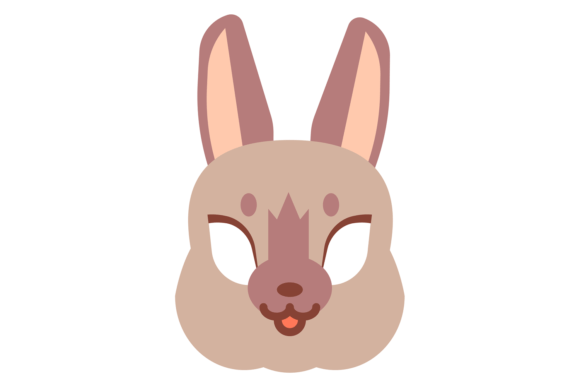
The visual style of this premium font is unmistakable. Each character is crafted to resemble the face of a cartoon rabbit, with ears forming ascenders and the main body of the letter creating a friendly, rounded face. This isn't a generic sans serif font or a standard serif font; it's a fully realized concept typeface. The appeal lies in its directness and charm. It communicates a specific mood—instantly. For projects targeting families, children, or any audience that appreciates a touch of humor, the Funny Rabbit Mask. Animal Kid Party Face font acts as a visual shorthand for joy and approachability.
Where This Creative Font Truly Shines
Understanding where a typeface like this works is key to using it effectively. Its strength isn't in body copy; it's in headlines, logos, and focal points where personality needs to be front and center. Consider logo design for a children's party planning service, a boutique toy store, or a whimsical bakery. The Funny Rabbit Mask typeface could form the core of a memorable brand identity, setting a playful tone that competitors using standard fonts can't match.
Beyond branding, its applications in packaging design are compelling. Imagine the front of a snack box for kids, a label for a spring-themed product, or the packaging for a DIY craft kit. The font instantly grabs attention on a crowded shelf. For editorial design, it can be used sparingly but effectively—a pull quote in a family magazine, a chapter title in a children's activity book, or a headline on a party invitation template. In the digital realm, it's perfect for social media graphics promoting a family event, a holiday sale, or a playful blog post. Its inherent character makes it highly shareable and recognizable.
For web design, using it for hero section headings or specific call-to-action buttons can break the monotony of standard web-safe fonts and create a memorable user experience. Crafters and hobbyists will find it invaluable for creating custom party decorations, printable greeting cards, or personalized t-shirts. The key is to see it not as a replacement for your primary body text font, but as a powerful accent. Pair it with a clean, neutral sans serif font for body copy to let its personality shine without overwhelming the viewer. This contrast is fundamental to good modern typography.
Practical Guidance for Implementation
Choosing and using a creative font like this requires a thoughtful approach. First, always evaluate the project fit. Ask yourself: Does the target audience align with the font's playful, youthful vibe? Is the project's goal to inform seriously or to delight and engage? If it's the latter, you're on the right track. Before committing, test it in context. Create a mock-up of your intended design—a social media post, a logo concept, a package layout—to see how it interacts with other elements like color, imagery, and supporting text.
Font pairing is critical. A strong pairing strategy might involve using the Funny Rabbit Mask typeface for a main headline and a versatile, highly readable script font or handwritten font for subheadings, followed by a simple sans serif for descriptions. Avoid pairing it with another highly decorative or stylistic font, as this will create visual chaos. The goal is hierarchy and clarity, even in a playful design.
Always review what's included with your commercial font license. Does it come with multiple weights or styles? While a typeface like this might be a single weight, check for extras like alternate characters, ligatures, or dingbats that can add more versatility. For example, an alternate 'A' that uses a different ear style could provide just the right tweak for a specific layout. Readability is a consideration, but in a different way than for body copy. You're not reading paragraphs in this font; you're absorbing a word or phrase as a graphic element. Ensure the individual letters are distinguishable from each other at the intended size—this is where some overly stylized fonts fail.
Finally, respect the licensing. If you're using it for a client project, a product you sell, or commercial marketing materials, ensure you have the correct commercial font license. This protects you and supports the type designers who create these unique design assets. The Funny Rabbit Mask. Animal Kid Party Face font is more than a novelty; it's a specialized tool. When used with intention and strategic pairing, it can elevate a project from ordinary to unforgettable, creating a genuine connection with an audience that appreciates a well-placed dash of whimsy.