Black Beaver Footprint: Unpacking a Wild Design Asset
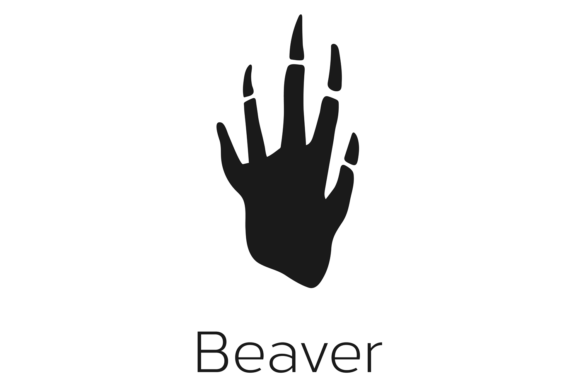
Finding the right visual element to capture a brand's essence is often about texture and feeling, not just clean lines. When we look at a resource like the Black Beaver Footprint—specifically the isolated vector design available in formats like EPS, JPG, SVG, and transparent PNG—we are looking at more than just a shape. We are looking at a narrative tool. This specific asset captures the distinct, wide-padded impression of a beaver, an animal synonymous with engineering, persistence, and nature. For designers, marketers, and content creators, understanding how to leverage this "forest wild animal footprint" can transform a generic project into something with genuine depth and storytelling power.
The Anatomy of the Mark: Visual Characteristics and Style
The visual appeal of the Black Beaver Footprint lies in its imperfection and organic weight. Unlike a geometric sans serif icon, this mark carries the biology of the animal. The beaver’s hind foot is large, with distinct toes and webbing that suggests an ability to navigate both water and mud. The front paw, often smaller with nimble fingers, hints at the animal’s role as a builder. When isolated on a white background, the black silhouette is high-contrast and immediate. It possesses a "wild" typography of its own—a language written in mud and clay.
For creatives, the style of this footprint is versatile. It is rugged but not aggressive. It speaks to a specific kind of wilderness: the wetlands, the riverbanks, and the forest floor. If you are working on a project that needs to evoke environmental stewardship, resilience, or craftsmanship, this asset fits perfectly. The vector nature of the EPS and SVG files means the edges can be manipulated, but the raw, organic curves of the print are what give it its personality. It feels authentic, which is a rare commodity in an era of over-polished design assets.
Strategic Applications: Where the Asset Fits Best
When integrating the Black Beaver Footprint into your workflow, think about context. This is not a background noise texture; it is a focal point or a thematic accent. Here is how different professionals can utilize it effectively:
- Logo Design and Brand Identity: For outdoor apparel brands, eco-friendly construction companies, or artisanal woodworkers, this footprint can anchor a logo design. It serves as a symbol of the "maker" spirit. Using the transparent PNG allows for easy layering over textured backgrounds, creating a brand identity that feels grounded and established.
- Packaging Design: If you are labeling a product that is natural or handmade—perhaps a beeswax candle or a rustic soap—placing this footprint near the ingredients list adds a subtle layer of "forest" credibility. It works exceptionally well in packaging design where space is limited but visual impact is necessary.
- Editorial and Publishing: Magazines or blogs focusing on wildlife, biology, or sustainable living can use the SVG version to create scalable spot illustrations. In editorial design, breaking up dense text blocks with a stark, black footprint draws the eye and reinforces the topic without relying on stock photography.
- Digital and Web Design: On a website, this asset can function as a cursor indicator, a bullet point for lists, or a favicon. In web design, using organic shapes helps soften the rigidity of standard sans serif grids, making the user experience feel more welcoming.
Psychological Impact and Audience Engagement
Why does a simple footprint resonate so deeply? It is a primal symbol of presence and passage. For an audience aged 20 to 50, particularly those involved in marketing or brand strategy, the beaver footprint symbolizes the "worker." Beavers are nature's engineers. By incorporating this imagery, you subtly suggest that your brand or project is about getting things done and building something lasting.
This visual cue influences brand perception significantly. It moves a brand away from the sterile, corporate feel of standard modern typography and toward something more tactile. For small business owners, using a distinct element like the Black Beaver Footprint aids in recognition. It is a shape that sticks in the memory because it is unique. It creates an emotional hook that generic serif or script fonts cannot achieve on their own.
Practical Guide to Implementation and Font Pairing
Integrating a graphic element like this requires a thoughtful approach to typography. You cannot simply slap a wild footprint next to any typeface and expect harmony. Here is practical guidance for designers and hobbyists alike:
- Evaluating Project Fit: Ask yourself if the project requires a "human" touch. If you are designing for a tech startup, this might be too rustic. If you are designing for a conservation group or a hiking blog, it is a perfect match. The Black Beaver Footprint demands a context that respects nature.
- Choosing the Right Typography: This asset pairs best with fonts that have character. A sturdy, wood-type inspired display font or a clean, wide-set sans serif often works best. Avoid overly delicate script fonts or highly ornate serif fonts that might clash with the ruggedness of the footprint. The goal is contrast that complements, not competes.
- Readability and Hierarchy: Because the footprint is a strong visual weight, use it to create hierarchy. It can act as a giant bullet point or a section divider. Ensure that your body text remains legible. If the footprint is used as a watermark behind text, lower the opacity significantly so the readability of your editorial design isn't compromised.
- File Format Selection:
- Use SVG for web projects where you need infinite scaling without pixelation.
- Use EPS for print work, such as brochures or large-scale signage, to maintain vector quality.
- Use Transparent PNG for quick placement in social media graphics or presentations where you need to drop the image onto a photo immediately.
- Commercial Licensing: Always verify the licensing of your premium font or graphic asset. If you are using this footprint for a client's commercial font packaging or a merchandise line, ensure the license covers that usage. Most digital assets have specific tiers for commercial versus personal use.
Ultimately, the Black Beaver Footprint is more than a clipart image; it is a piece of the forest brought into the digital workspace. By treating it with the same respect you would a high-quality typeface, you can create designs that feel authentic, grounded, and deeply connected to the natural world. Whether you are crafting a brand identity for a new outdoor venture or adding texture to a social media campaign, this footprint offers a distinct path forward.